Introduction
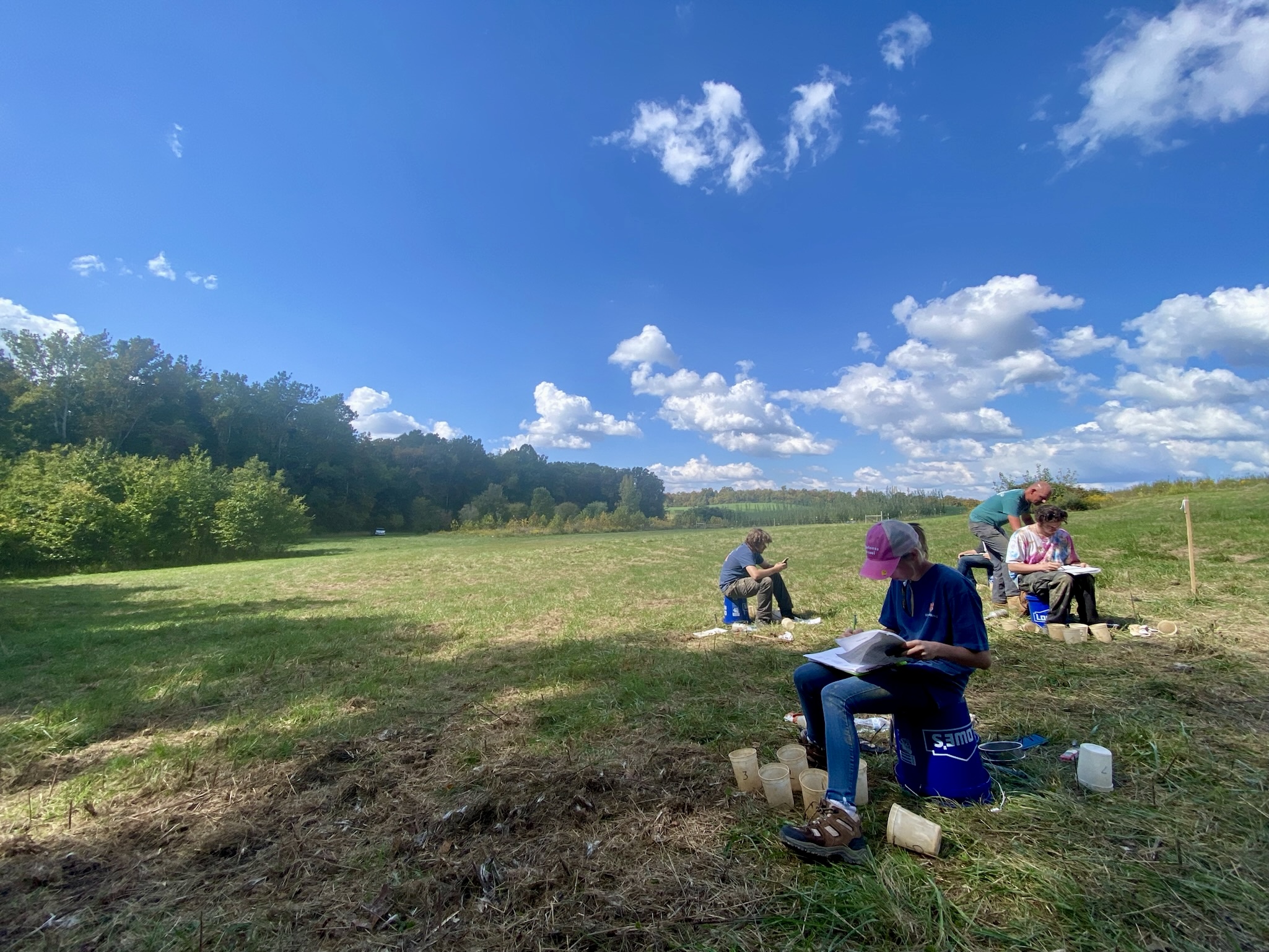
My time on the Auburn Collegiate Soil Judging Team gave me a practical introduction to understanding soils. This was my first experience with anything soil science related, I had yet to take basic soil science let alone the more specialized ones. As I would learn later on, in class soil science can feel like tedious terms, categories, and diagrams. In the field, it becomes something you have to observe directly and make patterned connections from: color, texture, structure, drainage, horizons, landscape position, and parent material.
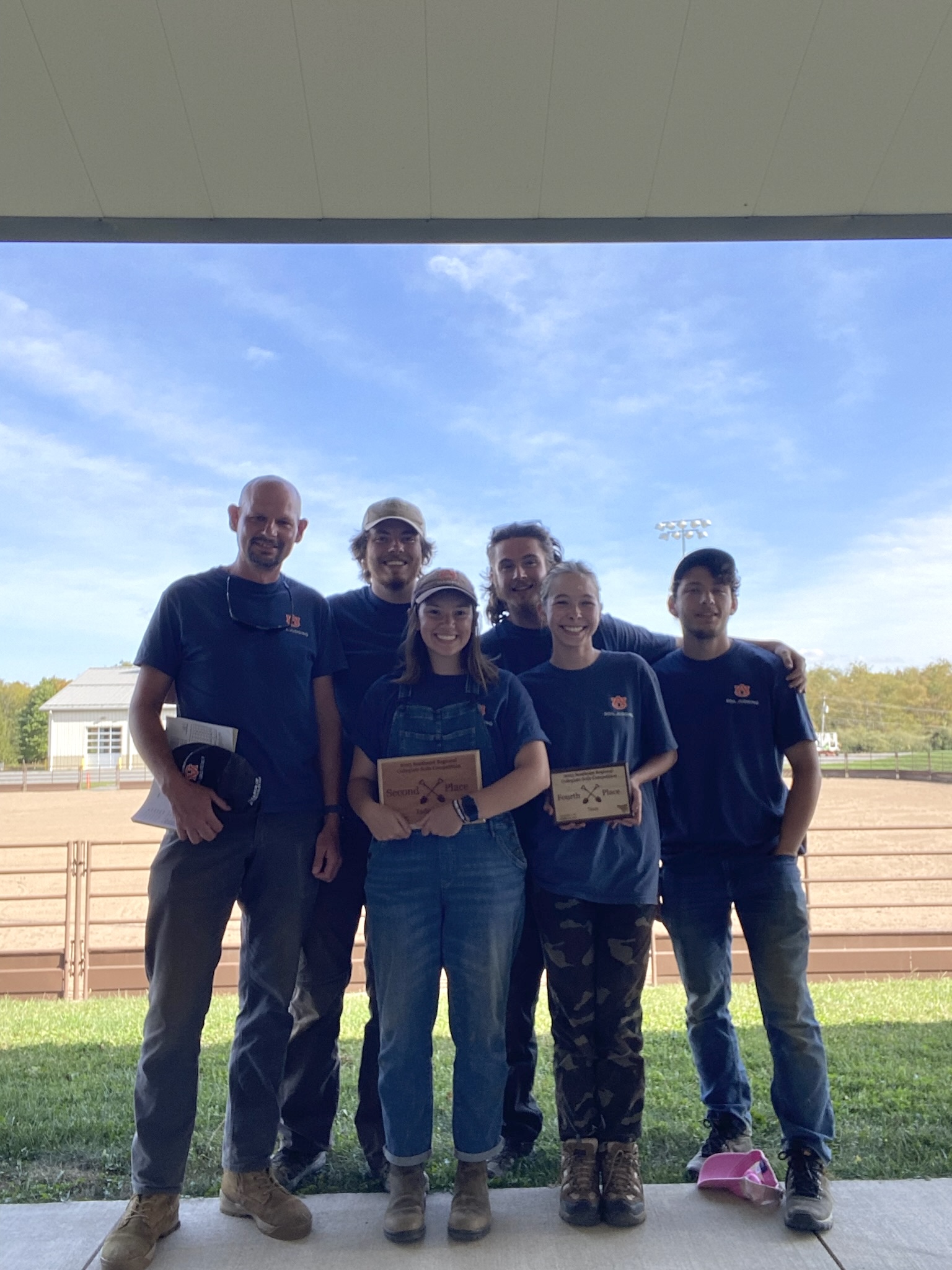
As a team member, I attended weekly meetings, worked in the field to sample and examine soil pits, practiced soil texturing, morphology, classification, and inference, and competed in the Southeast regional competition, where the team placed fourth and qualified for nationals.
Practicing Observation
Soil judging trained me to slow down and notice details that are easy to miss. A soil pit is a record of the environment beneath a site. Each horizon can show changes in water movement, organic matter, mineral content, and landscape history.
The most useful part of the experience was learning how to connect field evidence to interpretation. Texture, color, drainage, and structure are not isolated observations. Together, they help explain how a site formed, how it functions, and what kinds of ecological conditions it supports.
Competing at Regionals
Regionals gave that practice a higher level of focus. In competition, the goal is not just to recognize a soil feature, but to describe it clearly, defend the interpretation and combine all the pieces into an accurate puzzle. Plus the added time pressure made the field skills feel more real. It required accuracy, practice, and confidence in the evidence.
The experience also showed me how much teamwork matters in technical field settings. Even though soil judging depends on individual observation, preparation happens through repeated practice, comparison, and learning from others. To this day I love my small team of fellow soil judgers so much and remember the trip fondly.
What I Took From It
Soil judging helped me build a stronger foundation for environmental science. It taught me that soils are not just background material beneath an ecosystem; they are active records of water, vegetation, geology, and time.
That experience continues to shape how I look at landscapes. Whether I am thinking about forests, wetlands, agriculture, or restoration, soil observation gives me a better way to understand what is happening from the ground up.