Introduction
My time working in the Paleoecology Lab helped me understand how much environmental information can be preserved in something as quiet as sediment. A lake or wetland bottom may look still from the surface, but beneath it are layers of material that have built up and been preserved over time. Each layer can hold traces of past conditions, organic matter, pigments, minerals, toxins, pollen, charcoal, or other signals connected to the ecosystem at the time that sediment was deposited.
As an undergraduate research assistant, my role centered on supporting field sampling, sample preparation, archiving, pigment and toxin analysis, and careful field and lab record keeping. The work taught me that paleoecology depends on more than collecting samples. It depends on preserving context. A sediment core is only useful if researchers know where it came from, how it was collected, how it was handled, and how it connects back to the question being asked.
Reading Environmental History in Sediment
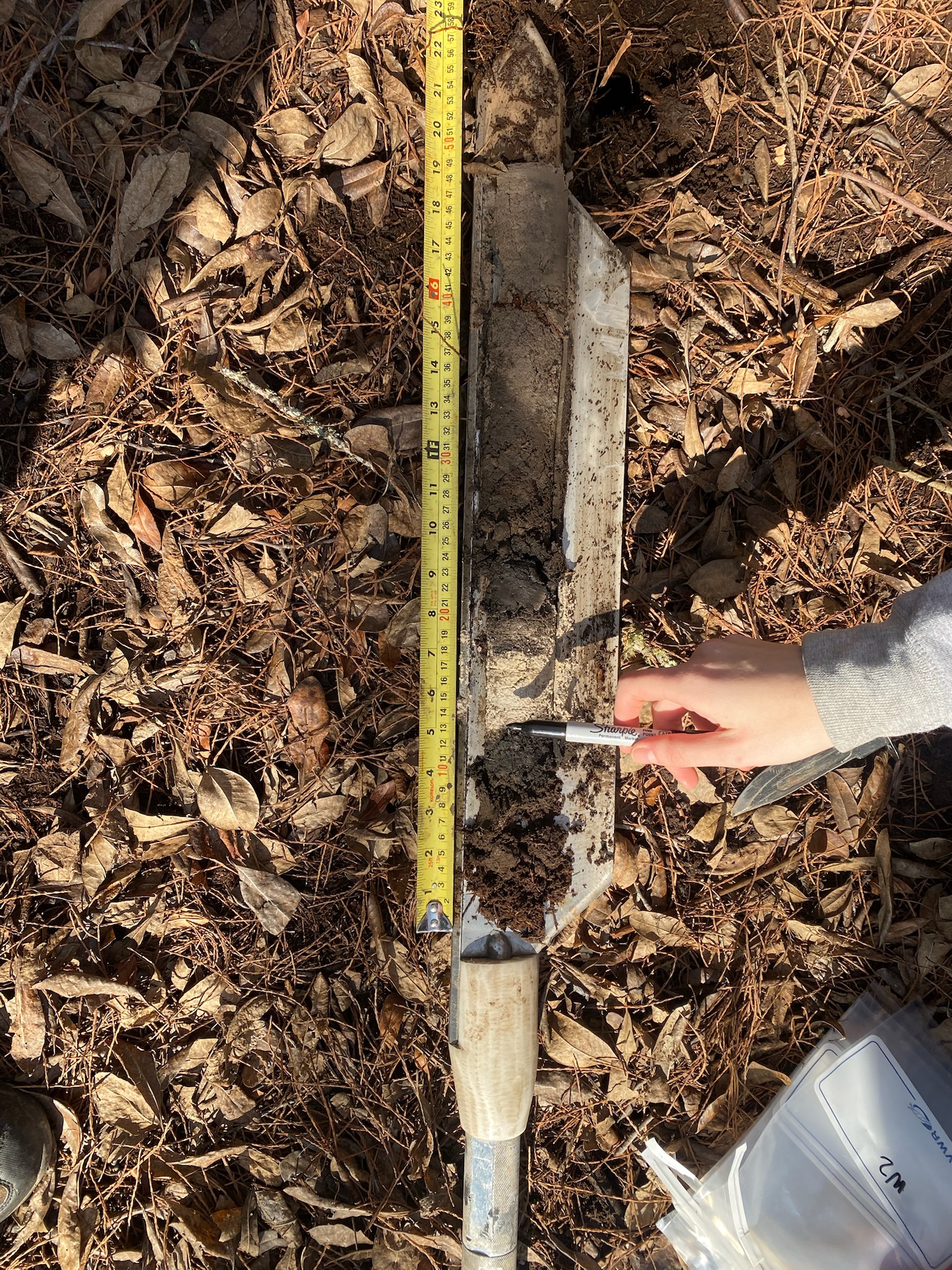
Sediment cores are valuable because they hold environmental evidence in layers. Newer material settles on top of older material, so a core can act like a natural record of change through time. In a paleoecology setting, that record can help researchers ask how lakes, wetlands, forests, or surrounding landscapes have changed across years, decades, or longer periods.
That idea changed how I thought about field samples. A sample is not just material in a tube or container. It is evidence from a specific place, collected under specific conditions, for a specific purpose. The physical sample matters, but so does everything around it: the site conditions, the collection method, the depth, the label, the storage process, and the notes that travel with it.
Working with sediment made me appreciate how environmental science often depends on small details. A slight difference in location, depth, handling, or labeling can affect how confidently a sample can be interpreted later. That is why the work requires patience and consistency.
Field Sampling and Site Content
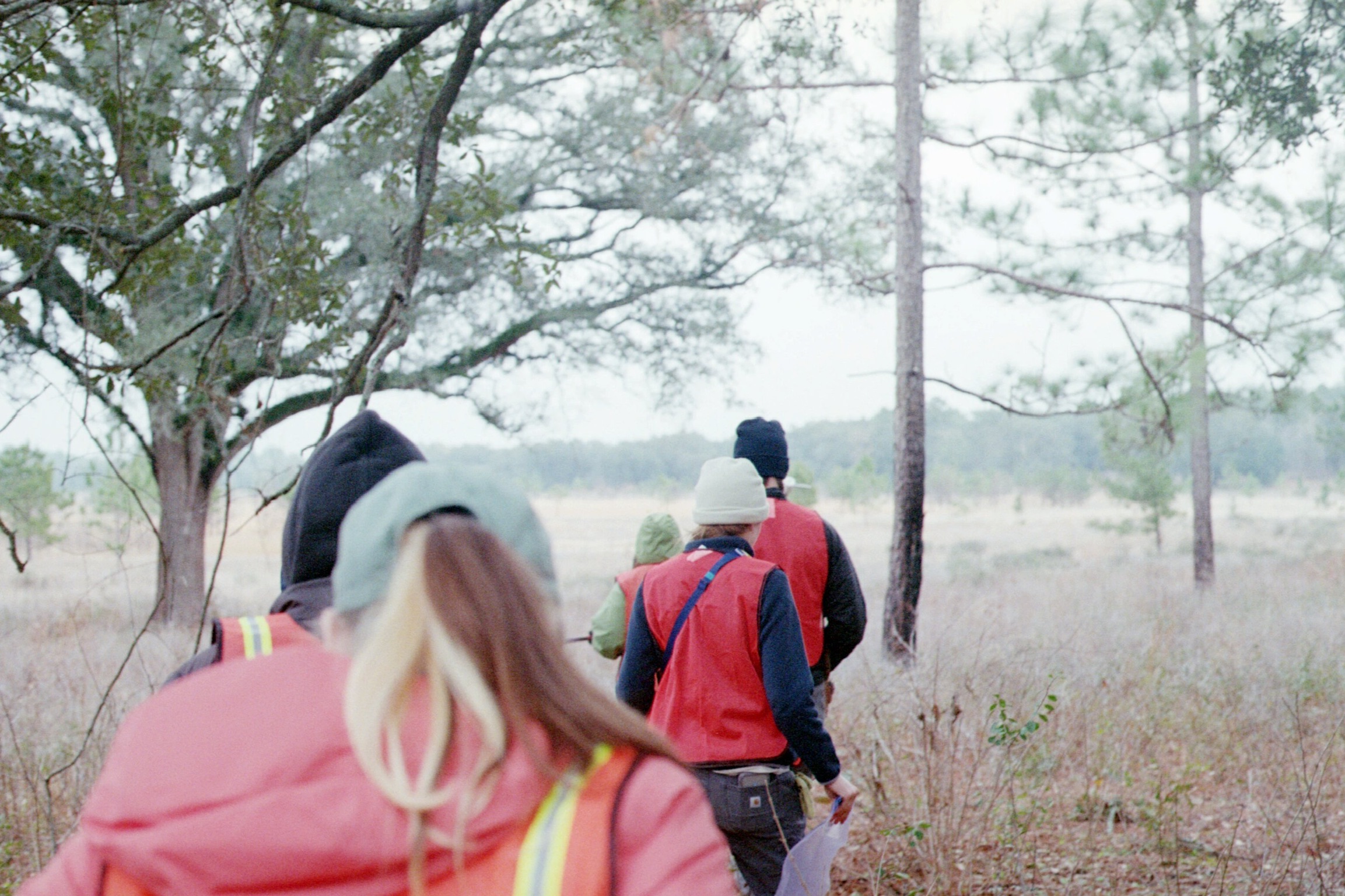
The field side of this work involved supporting the collection of lacustrine and wetland sediment samples using coring techniques. Field sampling is where the connection between the landscape and the lab begins. Before a sample becomes data, it first has to be collected in a way that protects its scientific value.
Good fieldwork requires more than taking the sample itself. It also means paying attention to the surrounding environment, documenting what was done, and making sure each sample can be traced back to its original context. Site notes, sample labels, depth information, and collection details all become part of the scientific record.
This part of the work helped me see field research as a balance between physical work and careful observation. Sediment sampling can be messy and repetitive, but it also requires precision. The goal is not just to bring material back to the lab. The goal is to bring back material that still carries its environmental meaning.
From Sample Preparation to Analysis
Once samples enter the lab, the work shifts from collection to preservation and preparation. I supported the preparation, processing, and archiving of sediment samples for pigment and environmental toxin analysis. This stage is where consistency becomes especially important.
Samples need to be handled carefully so they remain usable for later analysis. Preparation and archiving are not just background tasks; they are part of the research process. If samples are mislabeled, contaminated, poorly stored, or disconnected from their records, their value decreases. If they are handled consistently, they can support stronger interpretation later.
Pigment analysis is especially interesting because pigments can provide clues about past biological activity. Certain pigments may be connected to specific cyanobacteria or macrophytes, helping us researchers understand ecological conditions preserved in the sediment. Toxin analysis can add another layer of information by helping identify possible environmental stressors or changes in water quality. My role was supportive, as I prepared samples and standards such as mobile phases, toxins and pigments to be analyzed, but it gave me a clearer understanding of how lab methods turn collected material into interpretable evidence.
Why Traceability Matters
The most important lesson I took from this experience was the value of traceability. In environmental research, a sample has to carry its history with it. Researchers need to know where it came from, how it was collected, how it was processed, where it was stored, and what condition it was in at each step.
That is why detailed field and laboratory records matter. Record keeping can feel routine, but it is what protects the reliability of the work. It allows someone else to understand what happened to a sample after the field day is over. It also supports reproducibility, which is essential in science. A result is stronger when the path from field collection to lab analysis is clear. I have vivid memories of counting, sorting, and collecting microscopic ostracod and gastropod shells to better understand the impacts of high mercury levels in a lake. The attention to detail and traceability are essential to deriving an accurate explanation for the data.
This experience helped me understand that good science is built through many careful steps. The final interpretation may be the visible product, but it depends on the quality of the work that happened much earlier: labeling, notes, handling, storage, safety procedures, and communication between people working on the project.
Conclusion
Paleoecology connects present-day environmental questions with longer records of change. My time in the lab gave me a practical view of that connection. Through sediment sampling, sample preparation, archiving, pigment and toxin analysis support, and environmental recordkeeping, I learned how important it is to preserve the link between a sample and its story.
This experience is still a foundation I want to build on. In the future, this work could grow into a fuller case study with figures, maps, methods notes, field photos, and reflections on how sediment evidence supports environmental interpretation. For now, it represents one of the clearest lessons I have taken from research: environmental science depends not only on asking good questions, but on protecting the evidence needed to answer them.