Introduction
My work with End Overdose Auburn gave me experience in a different kind of leadership: community education, outreach, and communication around a serious public health issue. As a co-founder and media lead, I helped create and support a chapter that needed to be organized, visible, and approachable to students and the broader Auburn community.
This role taught me that outreach is not just about sharing information. It is about making people feel that the information is relevant, accessible, and worth acting on. Whether through meetings, events, social media, or volunteering, the goal was to help build awareness and create a stronger connection between campus life and community health.
Helping Build the Chapter
Being a co-founder meant helping turn my roommate's idea into something real and structured. A student organization needs more than a name and a mission. It needs meetings, planning, communication, member involvement, and a clear sense of what it is trying to contribute.
I helped direct and attend monthly meetings, organize club activities, and support the planning of outreach events. This gave me experience with the practical side of leadership: setting expectations, staying consistent, following through on plans, and helping others stay engaged.
The work also showed me that leadership often happens in small, repeated actions. A chapter becomes stronger through regular communication, reliable planning, and people showing up consistently.
Media, Messaging, and Promotion
As media lead, I was responsible for helping create chapter media and maintaining regular posting and promotion. That role mattered because outreach depends heavily on communication. If people do not know what an organization is doing, they cannot participate, learn from it, or support it. This was my first media job and I chose it specifically because I think now more than ever the ability to use technology and social media to support your organization is foundational.
Creating media for a public health-focused organization required a balance between clarity and care. The subject matter needed to be treated seriously, but the messaging also had to be fun and accessible enough for students to engage with it. I had to think about what information mattered most, how to present it simply and on-brand, and how to keep the chapter visible without making the message feel forced or impersonal.
This experience helped me strengthen my communication skills. It also showed me how design, writing, and timing can affect whether people pay attention to important information.
Outreach and Community Engagement
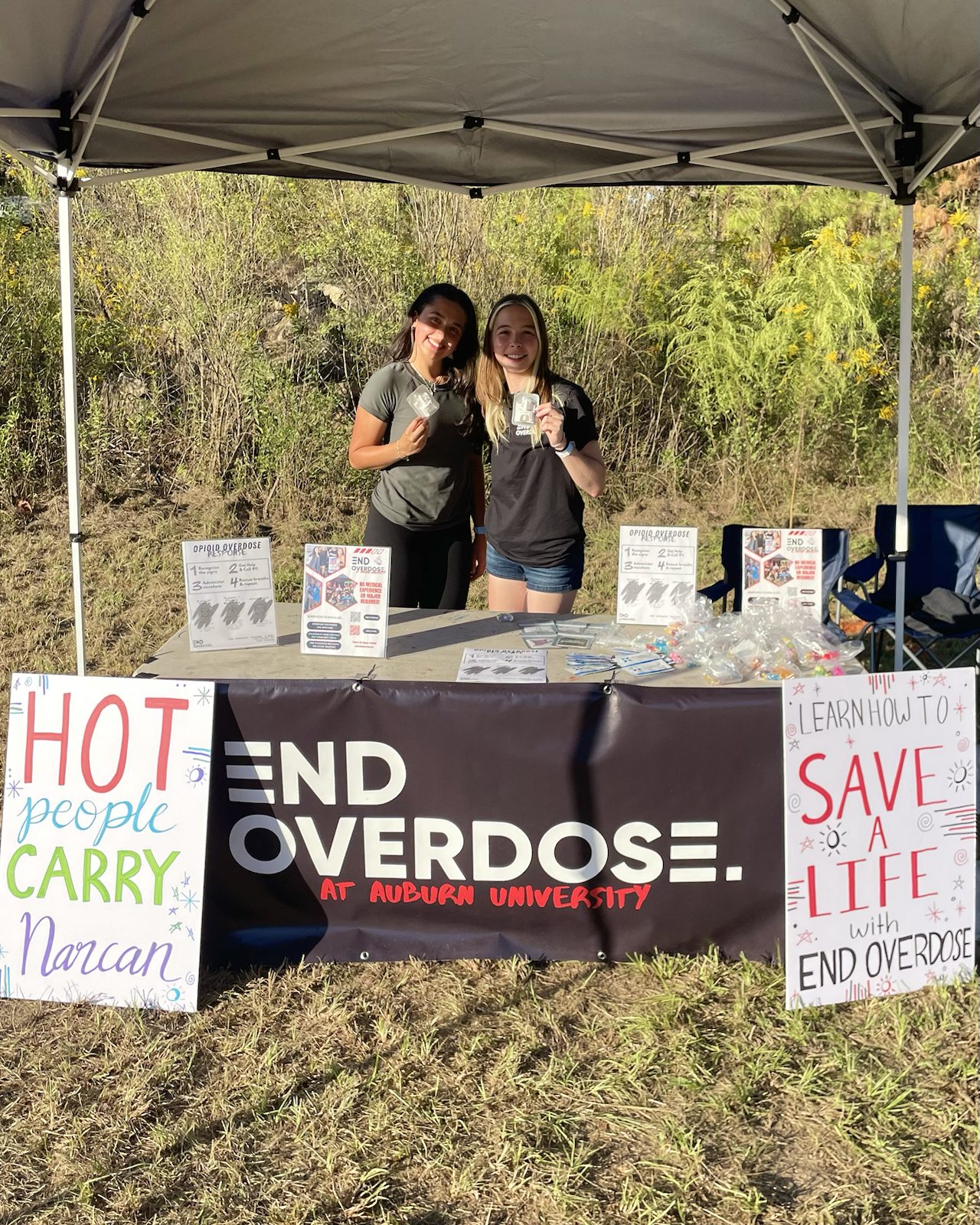
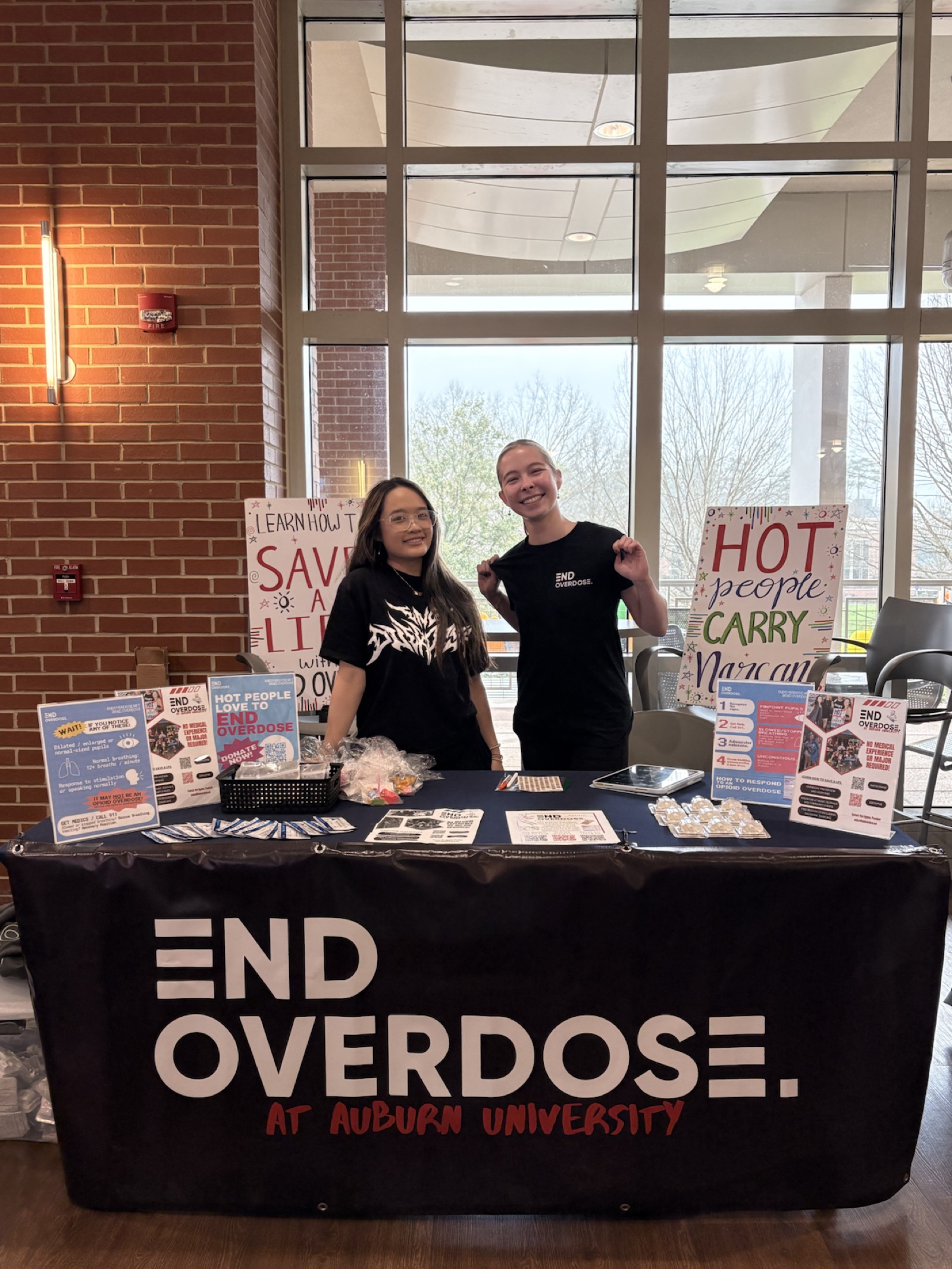
A major part of my work involved helping organize and volunteer at university and local outreach events. These events were where the chapter's purpose became most tangible. Planning is important, but outreach only matters when it reaches people.
Through this work, I learned how much preparation goes into effective community engagement. Events require coordination, materials, communication, and people who understand the goal. They also require flexibility, because public-facing work does not always happen exactly as planned.
Volunteering in these spaces helped me see outreach as a form of service. It is not just about representing an organization. It is about being present, useful, and willing to help create conversations that might matter to someone later.
What I Learned From the Role
End Overdose Auburn helped me grow as a leader and communicator. I learned how to help build a student organization, support meetings, promote events, create media, and contribute to outreach work beyond the classroom. I would say to anyone seeking leadership in a club, it is much easier to join an existing club and improve it than to start from the ground up, but it is possible with a hardworking team. Much of the beginning of the chapter was unevenly spread among leadership which ultimately held us back from our full potential.
The role also helped me connect leadership with responsibility. Public health communication is not just about being active online or planning events. It requires careful messaging, consistency, and respect for the people the organization is trying to reach. This experience strengthened skills that carry into other parts of my academic and professional work: organization, communication, collaboration, follow-through, and the ability to turn a mission into visible action.
Conclusion
My work with End Overdose Auburn was meaningful because it combined leadership, media, outreach, and service. As a co-founder and media lead, I helped support the structure and visibility of a chapter focused on awareness and community engagement.
This experience reminded me that impact does not always come from one large project. Sometimes it comes from steady communication, organized events, regular volunteering, and building something that gives people a way to learn and participate. It taught me how to lead with both purpose and practicality.