Reading the Soil Profile
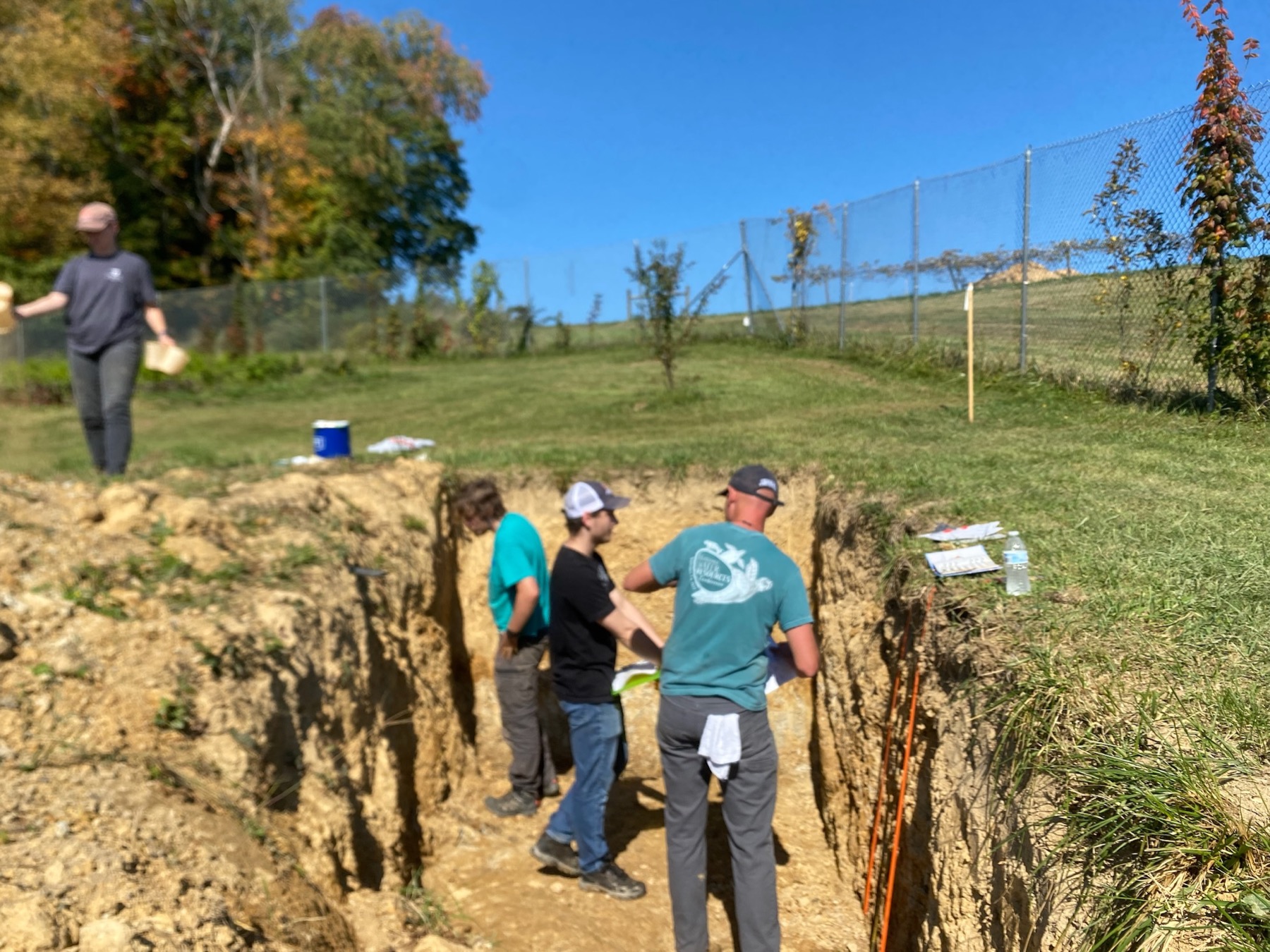
Soil judging teaches you to slow down and read the ground as a record of environmental history. A soil pit is not just a hole in the ground; it is a vertical story. Each horizon shows changes in color, texture, structure, organic matter, and moisture. By describing those layers carefully, students learn how water, plants, minerals, climate, and time shape the land beneath a site.
Connecting the pit to the landscape
Soils also reflect landscape position and parent material. A ridge, slope, floodplain, or wetland edge will often have different soil patterns because water, erosion, deposition, and mineral sources vary across the landscape. Soil judging trains students to connect what they see in the pit with the larger setting around it. The result is a more complete way of understanding ecosystems.
Why Soil Judging Matters
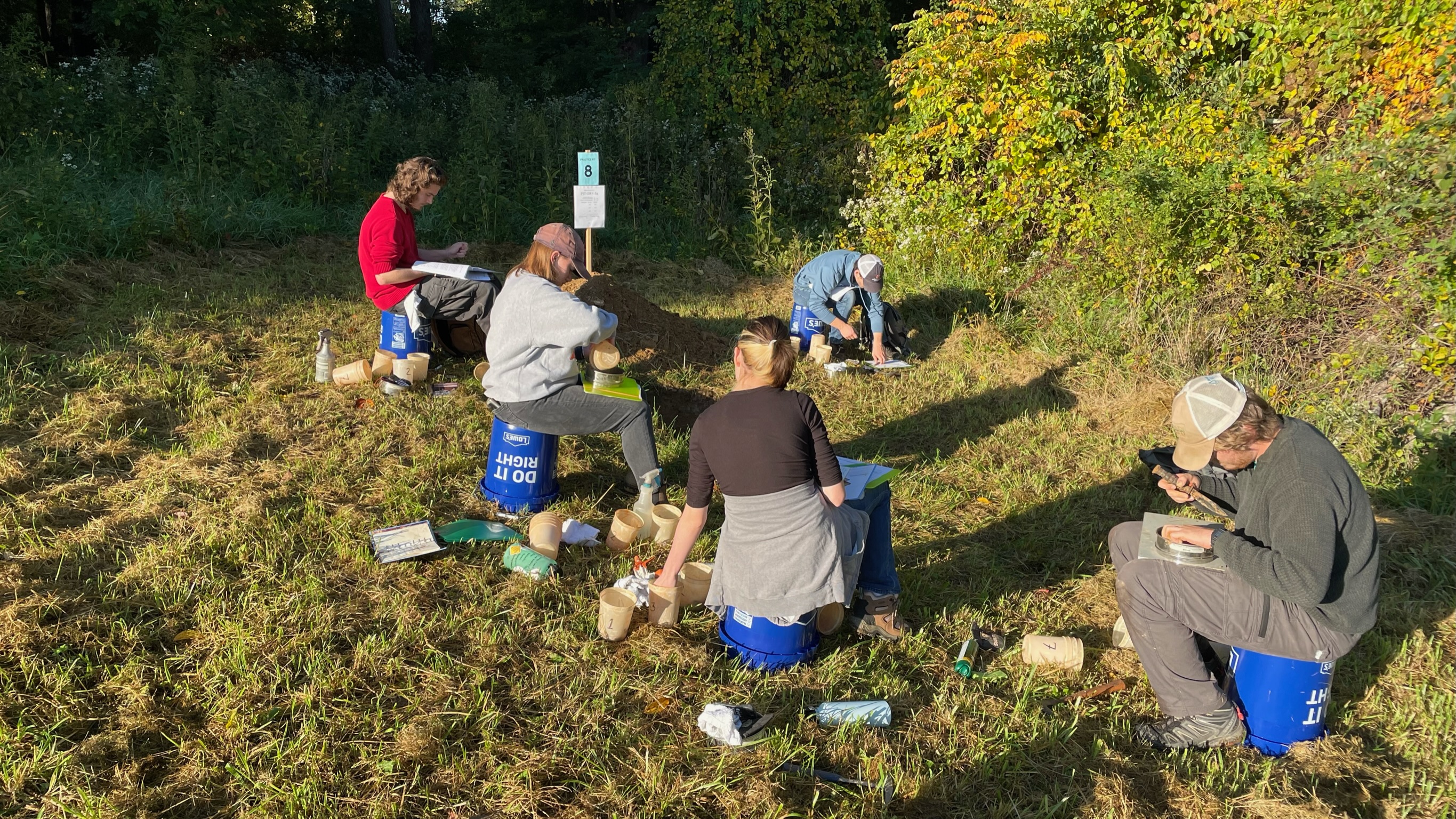
Competitive soil judging turns field conditions into patterned notes, repeatable descriptions, and defensible interpretations. That skill matters beyond competition. Whether studying forests, wetlands, agriculture, restoration, or environmental change, soil observation helps explain how ecosystems work from the ground up.